The shared aspirations of Philippine grassroots football clubs — and the roadmap to a stronger game over the next three years
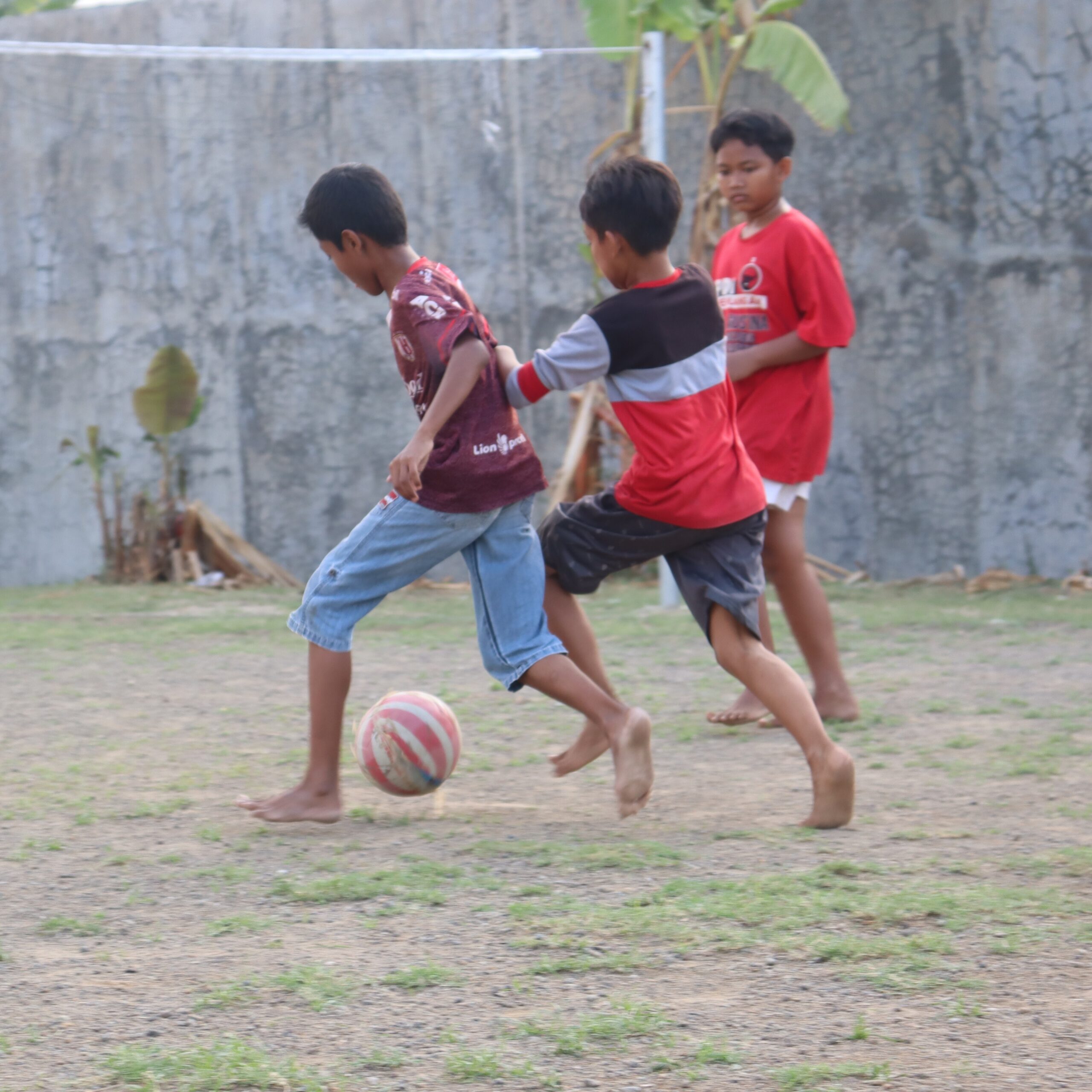
Grassroots football clubs across the Philippines are built on passion, perseverance, and purpose. From dusty barangay pitches to borrowed school grounds, these Philippine grassroots football clubs continue to shape young lives despite limited resources, fragile infrastructure, and daily challenges. While realities differ from province to province, their hopes for the future speak the same language.
Based on extensive input from grassroots football clubs nationwide, this article captures the shared aspirations of Philippine grassroots football over the next three years—a collective roadmap toward a stronger, more inclusive, and more sustainable football development system in the Philippines.
1. Expanding Grassroots Football and Reaching More Communities
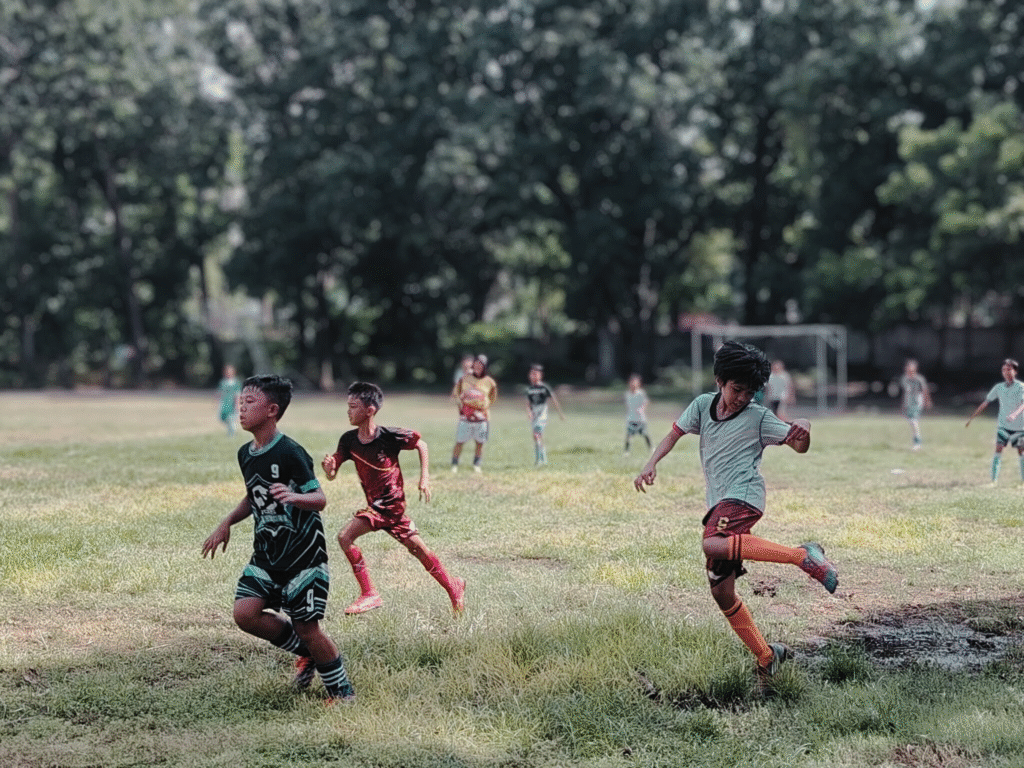
At the heart of every club’s vision is grassroots football development. Across regions, clubs expressed a common goal: to reach more children, especially those who have never had access to organized sport or youth football programs.
Over the next three years, clubs aim to:
Expand football training programs to more barangays and municipalities
Introduce football to younger age groups, starting as early as five years old
Formalize grassroots football academies with structured age-group teams
Conduct free or low-cost football and futsal clinics
Sustain annual youth tournaments and community football leagues
Grassroots growth is not only about elite competition. It is about creating safe spaces where children develop discipline, teamwork, confidence, and healthy habits—through the simple joy of playing football.
2. Using Football as a Pathway to Education and Scholarships
One of the strongest aspirations among youth football clubs in the Philippines is education. Many grassroots programs support players from financially challenged families, where access to a scholarship can change the direction of an entire life.
Clubs aim to:
Help players earn academic and athletic scholarships in private and public schools
Support student-athletes targeting UAAP, NCAA, and regional varsity teams
Increase the number of players receiving college football scholarships
Partner with schools and universities to create clear player development pathways
For these clubs, football is more than a sport. It is a bridge to education, opportunity, and long-term stability.
3. Strengthening Partnerships With Parents, Schools, and Communities
Grassroots football clubs recognize that sustainable development cannot happen in isolation. Community-based football programs thrive when parents, schools, local government units (LGUs), sponsors, and volunteers work together.
In the next three years, clubs aim to:
Strengthen trust and engagement with parents and guardians
Build formal partnerships with schools and universities
Secure LGU support for football facilities, tournaments, and programs
Attract private sponsors and foundation partners
Increase community involvement and volunteer participation
Strong partnerships ensure long-term sustainability and help grassroots football become a shared community responsibility.
4. Improving Coaching, Leadership, and Player Development Systems
To elevate the level of football development in the Philippines, clubs understand the importance of quality coaching and leadership. Many aim to develop local coaches—often former players—who understand both the game and the communities they serve.
Key goals include:
Training and certifying grassroots and youth football coaches
Developing homegrown “kuya” and “ate” coaches and alumni leaders
Strengthening goalkeeper training, futsal programs, and fitness development
Creating long-term player development frameworks
Emphasizing core values such as discipline, respect, and teamwork
The objective is clear: to develop not only skilled football players, but principled leaders on and off the pitch.
5. Increasing Competitive Exposure Through Tournaments
Competitive exposure plays a crucial role in youth football development. Grassroots clubs want their players to experience higher levels of competition and test themselves beyond familiar environments.
Over the next three years, clubs aim to:
Participate in more local, regional, and national football tournaments
Qualify for major youth and grassroots competitions
Compete consistently in futsal leagues and championships
Join international youth tournaments when possible
Prepare players for PFF competitions, professional clubs, and national team pathways
Tournament exposure sharpens skills, builds confidence, and reminds young players that bigger opportunities are within reach.
6. Developing Dedicated Training Facilities and Football Fields
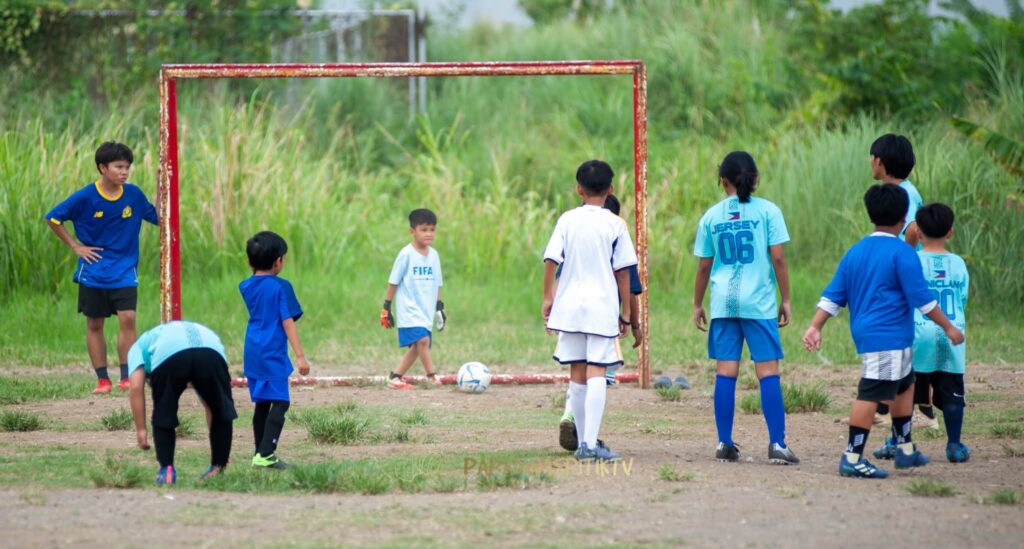
One of the most urgent challenges facing grassroots football clubs in the Philippines is access to proper training facilities. Many clubs continue to rely on borrowed, shared, or temporary fields, limiting both player development and program growth.
Over the next three years, clubs aspire to:
Establish dedicated football and futsal pitches
Improve field quality, safety standards, and maintenance
Build facilities with lighting, equipment storage, and rest areas
Create community football hubs serving multiple age groups
Develop pitches that meet national and international standards
A permanent training ground represents more than infrastructure. It symbolizes stability, pride, and long-term commitment to football development in the Philippines.
7. Achieving Financial Stability and Grassroots Sustainability
Financial challenges remain a constant reality for grassroots football programs. Clubs aim to move beyond short-term survival toward long-term sustainability.
Key financial goals include:
Securing consistent sponsorship and funding support
Receiving regular assistance from LGUs and partner institutions
Establishing income-generating activities and club programs
Creating scholarship and player-assistance funds
Ensuring football remains accessible to underprivileged youth
Financial stability allows clubs to plan strategically, invest in quality development, and serve more young players with consistency and confidence.
8. Expanding Inclusive and Specialized Football Programs
Inclusivity is now central to the future of Philippine grassroots football. Clubs are committed to ensuring football is accessible to players of all backgrounds, genders, and abilities.
Planned program expansions include:
Girls’ and women’s football development programs
Special-needs and inclusive football initiatives
School-based football outreach programs
Goalkeeper-specific training tracks
Community futsal leagues and grassroots programs
Inclusive football strengthens the sport’s role as a unifying force—one that welcomes everyone into the game.
9. Producing Players for Higher Levels and Professional Pathways
While grassroots football remains the foundation, clubs also aim to create clear player development pathways to higher levels of competition.
Their aspirations include:
Sending players to UAAP, NCAA, and collegiate football leagues
Developing future national team prospects
Preparing athletes for professional and semi-professional clubs
Opening pathways to international football opportunities
Each player who advances serves as living proof that grassroots football development in the Philippines works.
10. Building a Lasting Legacy Rooted in Values and Community Impact
Beyond trophies and results, grassroots clubs aim to build a lasting legacy. Their focus extends beyond winning matches to shaping lives and communities.
Long-term visions include:
Becoming respected football institutions in their regions
Growing strong supporter bases and local football culture
Passing the love of football to future generations
Building clubs that endure beyond any single leader
Creating meaningful social impact through sport
For these clubs, football is a platform for hope, unity, and transformation.
A Shared Vision for the Next Three Years of Philippine Football
Taken together, these aspirations paint a powerful picture of Philippine grassroots football—driven by resilience, heart, and purpose.
With support from communities, schools, LGUs, sponsors, and stakeholders, the next three years could mark a defining turning point in Philippine football development.
The future is not only about winning matches.
It is about building lives, strengthening communities, and creating opportunities—one goal, one dream, one life at a time. ⚽

A Call to Action: This Is Where Philippine Football Is Won
Grassroots football does not ask for applause.
It asks for belief.
Across the Philippines, grassroots football clubs show up every day—training on borrowed fields, mentoring children beyond the game, and carrying dreams far bigger than their resources. What they need now is partnership.
To parents:
Stand beside these clubs. Your trust and involvement turn training sessions into lifelong journeys.
To schools and universities:
Open your doors wider. Football produces disciplined students, leaders, and scholars—help turn talent into opportunity.
To LGUs and institutions:
Invest in football facilities, programs, and competitions. Every pitch built is a safe space created.
To sponsors and private partners:
Your support is not charity—it is nation-building. Grassroots football develops character, health, leadership, and hope at scale.
To the Philippine football community and its leaders:
Align the system. Empower the base. Protect the grassroots—because this is where every national team player, coach, and supporter begins.
The next three years will define the future of Philippine football.
We can choose fragmented effort—or collective action.
If we rally behind grassroots football today, we are not just building better footballers.
We are building better Filipinos, stronger communities, and a future the game—and the country—can be proud of.
This is our moment.
This is our responsibility.